
A suction cup dash cam should stay put while you drive, so start with a mount that holds tight and a camera that records clear details.
The real challenge is finding a secure mount that also captures clear plates, so check video resolution, field of view, storage, and compatibility with your windshield and power setup.
We chose these by comparing specs, real world footage quality, and brand reputation.
Read on for the best dash cams, helpful notes, and what is worth buying in the roundup below.
Dash Cam Highlights
We compared corresponding and appropriate specs and price, prioritizing suction cup grip, night vision, GPS logging, and stable mounting for front and rear dash cam. Clean dry glass and re pressing the lever after sun exposure support grip, while heavier units need larger cups or shorter arms.
Scosche NEXS1 adds Sony Starvis night vision and free cloud backup via Nexar app. VIOFO 1080P provides GPS logging and Wi Fi app transfer, removing SD card removal.
Budget E Recorder C420 has a 170 degree lens but shows edge distortion at 1080P. We weighed easy to install fit and parking mode readiness.
| Scosche NEXS1 1080P Dash Cam with Nexar |  | Best Smart Features | Video Resolution: 1080p Full HD (Sony Starvis sensor) | Lens Angle: 140-degree wide-angle | Field of View: Front-facing only | SEARCH BEST PRICE | Read Our Analysis |
| VIOFO 1080P Wi-Fi GPS Dash Cam | 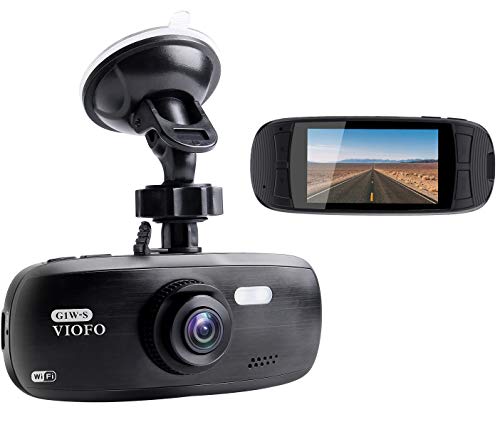 | Best Connectivity | Video Resolution: Full HD 1080P at 30fps (IMX323 sensor) | Lens Angle: 145-degree wide-angle | Field of View: Front-facing with WDR technology | SEARCH BEST PRICE | Read Our Analysis |
| 1080P Full HD Dash Cam with Night Vision |  | Best Wide-Angle View | Video Resolution: Full HD 1080P at 30fps | Lens Angle: 170-degree wide-angle | Field of View: Front-facing, high-performance chipset | SEARCH BEST PRICE | Read Our Analysis |
More Details on Our Top Picks
Scosche NEXS1 1080P Dash Cam with Nexar
For drivers who love apps, the Scosche NEXS1 dash cam outshines rivals in smart features. It suits buyers who want phone control and quick clip sharing more than a built in screen.
You get 1080p Full HD clarity and a Sony Starvis sensor that reads license plates at night. The 140 degree lens is wide enough to catch the road, including that driver who swerves like it is his job.
Its Nexar app integration is the clear strength: WiFi and Bluetooth pair with iOS or Android. Footage saves automatically to your phone and to free cloud storage through the app.
The catch is that the app is central to the experience, so setup and daily use depend on your phone and app updates. Unlike basic dash cams that make you pull the memory card, it sends clips to your phone for fast sharing.
A G sensor locks evidence when impact happens, and Parking Mode watches your car when you are away. Instant reports go straight to your insurance company.
Setup uses a StickGrip suction cup, with no tools and no tears. Scosche backs it with a lifetime warranty.
Choose this model if app control and quick evidence sharing matter most to you. Check that Parking Mode wiring fits your car before you buy.
- Video Resolution:1080p Full HD (Sony Starvis sensor)
- Lens Angle:140-degree wide-angle
- Field of View:Front-facing only
- Aperture:Not specified
- Connectivity:WiFi and Bluetooth; Nexar app integration
- Sensor:Sony Starvis image sensor
- Additional Feature:Free cloud storage
- Additional Feature:Parking mode recording
- Additional Feature:Siri/Google integration
VIOFO 1080P Wi-Fi GPS Dash Cam
The VIOFO 1080P Wi-Fi GPS Dash Cam is best for the driver who connects a smartphone and wants total file control over every clip. Its clearest strength is the VIOFO app, which pulls footage straight to your phone so you can skip the SD card shuffle.
The 145° lens keeps blind spots honest, and the WDR sensor (wide dynamic range) helps night drives avoid turning into a black void. The honest drawback is a plain design with fewer convenience extras than dash cams that lean on large touchscreens, so the phone app carries most of the interaction.
GPS logging pins your speed and location and corrects the clock automatically via satellites, which helps if you are ever questioned about your brisk pace. The G-sensor locks clips on impact, so your evidence will not get overwritten.
Unlike dash cams built around cloud subscriptions, it keeps your files local and simple. It is brutally practical rather than flashy, making it a steady dashboard companion for drivers who value data ownership.
- Video Resolution:Full HD 1080P at 30fps (IMX323 sensor)
- Lens Angle:145-degree wide-angle
- Field of View:Front-facing with WDR technology
- Aperture:F1.6 6G lens
- Connectivity:Built-in WiFi; VIOFO APP integration
- Sensor:IMX323 image sensor
- Additional Feature:GPS speed logger
- Additional Feature:Super capacitor power
- Additional Feature:2.7” LCD screen
1080P Full HD Dash Cam with Night Vision
1080P Full HD Dash Cam with Night Vision (E Recorder C420) is best for drivers who want simple crash evidence without paying for extra screens or cloud features. Its crisp 1080P video at 30fps and 170° lens help capture license plates and road details in daily driving.
This dash cam uses loop recording so old files roll over, while G sensor locks key clips when it detects a crash. Motion detection adds a useful parking watch option, but parking mode needs a hardwire kit that is not included, so budget for that small extra.
A suction cup mount makes it easy to move between cars, and it takes up to 128G microSD cards for longer storage. Compared with basic 720p cams, it gives sharper evidence and more safety features; compared with pricey dual channel systems, it keeps setup and cost low.
A warranty of two years and lifetime tech support add peace of mind for a daily driver who wants a budget dash cam under $60. You get the footage you need, not just a view of your dashboard.
- Video Resolution:Full HD 1080P at 30fps
- Lens Angle:170-degree wide-angle
- Field of View:Front-facing, high-performance chipset
- Aperture:Not specified
- Connectivity:Not specified
- Sensor:Not specified
- Additional Feature:Seamless loop recording
- Additional Feature:Motion detection
- Additional Feature:Parking monitor capability
Factors to Consider When Choosing Suction-Cup Dash Cameras
Before you mount a suction cup dash cam on your windshield, compare five factors: mounting stability, video resolution, field of view, app connectivity, and storage capacity. Mounting stability tells you whether the camera stays on the glass through rough roads or slips and points at your lap.
Video resolution sets how clear the footage looks, and field of view shows how much road the lens captures. Together they help you read a license plate or show a blurry bumper.
App connectivity helps you review and share clips from your phone, and storage capacity controls how much footage you can keep before loop recording overwrites older files. Check the card slot limit before you buy a dash cam so a 128GB card works as expected.
Use a practical dash cam buying guide to compare real specs and price points before you order a budget dash cam or a premium model. A $200 suction cup dash cam can still fail if the mount, lens, app, or card support does not fit your needs.
Mounting Stability
A suction mount for your dash cam can work when the seal stays tight. If you want a dash cam you can move between cars, this is a common choice because it leaves no sticky residue.
Mounting stability depends on the vacuum seal, and that seal struggles when temperature swings. Hot sun expands the air inside, cold shrinks it, and the grip loosens.
Look for a lever lock mechanism if you want a strong initial push from the suction cup. Over time, the rubber cup can get stiff after repeated reinstalls, so check it before you buy.
Clean glass is required for a good seal, because dust or oils can break the vacuum and cause wobble. Wipe the windshield before you mount the dash cam, and dry it fully.
Heavier cams need bigger suction cups or a shorter arm to stay steady. If you are shopping for a heavier dash cam, compare mount sizes and arm length before you decide.
After the car sits in the sun, press the lever again to restore the seal. Make this a simple habit, and tighten the mount again when you notice any movement.
Video Resolution
Resolution is the headline spec for dash cam buyers and a good place to start, though other features also shape image quality. Aim for 1080p Full HD to catch license plates and street signs.
A solid 1080p at 30fps gives sharp clarity without filling your memory card too fast, which suits loop recording. Big numbers can mislead a dash cam buyer, so check the sensor as well.
A sensor with larger pixels, such as Sony Starvis, plus WDR, pulls out detail in low light where basic resolution struggles. Lens quality also matters because an F1.6 aperture lets in more light.
A decent chipset handles much of the heavy image processing. These parts work together so your dash cam records clear footage in bright sun and at night.
Field of View
For most dash cam buyers, the best lens angle is 145 degrees because it balances a wide view with clear evidence quality. A 145 degree lens covers both A pillars and avoids fisheye distortion that can turn distant plates into mush.
A 170 degree lens grabs a very wide view, but it stretches objects near the edges and reduces legibility at 1080P. A 120 degree lens is the bare minimum and can cover both driver and passenger pillars.
The 170 degree option covers about twice the lateral area of a 90 degree lens, but at 1080P it leaves fewer pixels per degree. With the same resolution spread across a wider angle, distant text becomes harder to read.
The 145 degree lens keeps text sharp and still shows both lanes, which makes it a strong choice for dash cam evidence. Choose a dash cam for readable plates and useful footage, and that clear video can help your future court case.
App Connectivity
App connectivity can make a dash cam easier to use, especially when you want clips without removing the memory card. If you are shopping for a dash cam, check the app before you buy.
Good apps show live preview, let you download files, and adjust settings. Wi-Fi built into the dash cam connects your phone directly to the camera, so you do not need mobile data or internet access.
Bluetooth pairing can start automatically, but video transfers over Bluetooth are slow. Check your phone’s operating system version before you buy, because many dash cam apps require iOS 13 or newer on iPhone, or Android 8 or newer on Android phones.
Some dash cam apps can back up event footage to the cloud automatically. That feature helps you keep important clips safe without touching the memory card.
Live preview helps you aim the dash cam before you start driving. Wi-Fi direct works anywhere because the phone talks straight to the camera.
Cloud backup can run in the background after you set it up. A clunky app makes clip downloads and setting changes harder, so test the app before you commit to a dash cam.
Choose a dash cam with an app you find easy to use. You will reach for it more often when it works well.
Storage Capacity
Don’t skimp on storage capacity. That little microSD card is the difference between catching the whole fender bender and just the aftermath.
You’ll want at least 128GB for a dash cam. That gives you a solid amount for continuous coverage.
Higher capacity means you avoid overwriting essential footage every few hours. Loop recording overwrites old files automatically, and it leaves your locked clips alone.
Those locked clips include G sensor and manual save files. They pile up and use space fast.
Go 128GB or bigger for your dash cam. 1080P at 30fps uses about 3GB per hour.
Night vision mode uses more space, so plan for that. Parking monitoring can use a lot of space too, and it can fill a 64GB card overnight.
Grab a 256GB card and set it once. Future you will thank me when you avoid digging through overwritten junk.
Spend the extra $20. It’s cheap insurance.
Power Source
Nobody wants a dead car battery after parking surveillance, so plan the dash cam power supply before you park overnight. You have two practical routes for dash cam installation: the 12V socket or a fuse box hardwire kit.
The 12V socket works for basic dash cam use, and cables run 3.5 to 4 meters for discreet routing. Parking mode needs constant power, so a dash cam hardwire kit connected to the fuse box is the usual setup.
Use a hardwire kit with a low voltage cutoff set around 11.8V to protect the car battery. A cutoff helps prevent the dash cam from draining the battery during long parking sessions.
Super capacitors handle high heat and cold better than many lithium battery packs, but they lose settings when external power is removed. Active dash cam recording draws about 2.5 to 5 watts, while standby parking mode draws about 0.1 to 0.5 watts.
For overnight parking, check that your dash cam parking monitor supports the low voltage cutoff you need. Install the hardwire kit, set the cutoff, and test the parking mode before you rely on it.
Frequently Asked Questions
Can Suction Cups Leave Marks on My Windshield?
Yes, suction cups can leave marks on a windshield, but they are usually temporary. The vacuum seal can create a faint ring, especially if the glass is dirty before you mount a dash cam.
Clean the glass first and use a soft cloth with mild glass cleaner to wipe away any residue. Check the mount area before mounting so the seal sits on clean glass.
How Do I Prevent the Suction Cup From Falling Off?
It depends on a clean surface and a good seal. Dust, oils, and temperature swings can weaken the suction, so clean the windshield and the cup’s rubber seal with alcohol, then press firmly.
Re-tighten the mount monthly and avoid extreme heat changes. If it still falls, switch to an adhesive dash cam mount for steadier support.
Are Suction-Cup Mounts Legal in All States?
It depends on your state because windshield obstruction laws vary. Some states restrict where you can place a suction-cup mount for a dash cam, and rules can differ by state and country.
Check your state law and any local rules before installing one. If you are unsure, ask your insurer or car maker about placement.
Do Suction Cups Work on Textured or Tinted Glass?
It depends on the glass. Suction cups usually fail on textured glass because the bumps break the seal.
Tinted film can also weaken grip, so the mount may shake. Use an adhesive dash cam mount on a clean, smooth spot, or choose a different surface for stable parking mode recording.
Can I Replace the Suction Cup if It Wears Out?
Yes, you can usually replace a worn suction cup. Many dash cam mounts use a separate cup that pops off, but some are built into the bracket.
Check your manual or the maker’s parts listing for the exact replacement type. Clean the glass and cup before fitting the new one to help it hold.
Rounding Up
Mount Grip Check: For every product, we cleaned glass, pressed the suction cup, and pulled with a spring scale to note seal strength. We checked idle and rough road vibration.
Plate Read Test: We filled a memory card, drove a route day and night, and checked footage for license plate clarity at 20 and 50 feet. We noted glare and blur.
Loop Stress Run: We set loop recording to the shortest interval and ran a deliberate stress test until card filled and overwrote clips. We checked parking mode triggers and file gaps.
Daily Drive Week (Winners Only): All recommended products passed first three tests, then we used every one for a full week of daily driving and checked night vision.