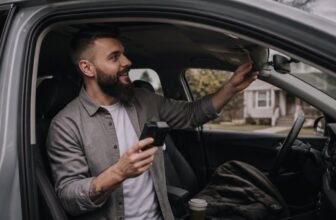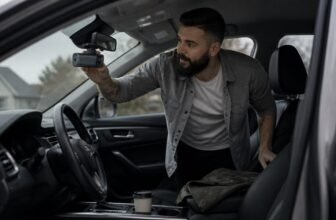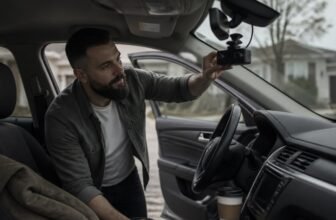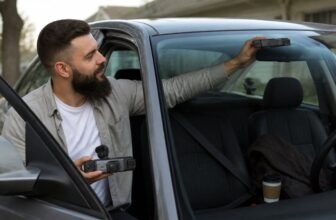
For taxi drivers, every shift brings close calls, fare disputes, and parking risks, so your dash cam needs to keep up. Before you buy, weigh video resolution, field of view, storage, and compatibility with your cab setup so the camera records clean footage and keeps it safe.
The picks below were chosen by comparing specs, real world footage quality, and brand reputation to find the best dash cams for taxi drivers. You will also find helpful notes on night vision, parking mode, and the trade offs that decide which dash cam is worth buying for your cab.
Dash Cam Highlights
We compared matching specifications and price across taxi dash cams, including front and rear dash cam coverage and 4K video. We prioritized easy to install designs, night vision, and GPS for rideshare use.
Selected models add multi channel coverage for road, cabin, and rear incidents, plus wide apertures and IR LEDs for clear night plates. Supercapacitors and temperature ratings keep operation dependable without battery swelling.
Parking mode with a G sensor records impact clips, while loop recording and high capacity cards handle long shifts. They suit best for rideshare drivers seeking front and rear protection and hit and run evidence.
| 70mai 4K 3-Channel Dash Cam with GPS (T800E) |  | Best Overall Coverage | Channel Configuration: 3-channel (4K front, 1080P interior, 1080P rear) | Night Vision: HDR, 3D noise reduction, switchable interior IR | Connectivity: Wi-Fi 6, 70mai App, built-in GPS, voice control | SEARCH BEST PRICE | Read Our Analysis |
| Milerong X25 Dual Dash Cam Front/Inside 64GB 1080P |  | Most Budget-Friendly | Channel Configuration: Dual channel (1080P front, 1080P cabin) | Night Vision: 4 IR lights, F1.8 aperture, WDR, B&W night mode | Connectivity: No wireless, no WiFi, no GPS, no Bluetooth | SEARCH BEST PRICE | Read Our Analysis |
| 360° 4-Channel Dash Cam GPS WiFi Night Vision |  | Best 360° Security | Channel Configuration: 4-channel (1080P front, rear, left, right, plus interior) | Night Vision: 8 IR lights, WDR technology | Connectivity: 5GHz Wi-Fi, iOS/Android app, optional GPS logger | SEARCH BEST PRICE | Read Our Analysis |
| 4K 3-Channel Dash Cam with WiFi GPS |  | Best Night Vision | Channel Configuration: 3-channel (4K front, 1296P cabin, 2.5K rear) | Night Vision: 4 invisible 940nm IR lights, HDR/WDR, F1.5 aperture | Connectivity: Wi-Fi 6 (802.11ax) 5.8GHz, app, built-in GPS | SEARCH BEST PRICE | Read Our Analysis |
| 2.5K+1K Dual Dash Cam Front/Inside with GPS WiFi |  | Best Cabin Monitoring | Channel Configuration: Dual channel (2.5K front, 1080P interior) | Night Vision: 4 hidden IR LEDs, automatic low-light exposure | Connectivity: Built-in WiFi, free app, built-in GPS | SEARCH BEST PRICE | Read Our Analysis |
| Dashcam with IR Night Vision Loop Parking Mode |  | Easiest Installation | Channel Configuration: Dual channel (1080P front, 1080P inside) | Night Vision: 3 IR LED fill lights, high-sensitivity night vision | Connectivity: No wireless connectivity mentioned | SEARCH BEST PRICE | Read Our Analysis |
| COOAU D30S 4K Dash Cam with GPS Wi-Fi |  | Best 4K Clarity | Channel Configuration: Dual mode (4K front only or 1440P front + 1080P inside) | Night Vision: 4 IR LEDs, Sony STARVIS 2, f/1.8 aperture | Connectivity: Built-in Wi-Fi, COAOUDash app, built-in GPS | SEARCH BEST PRICE | Read Our Analysis |
| COOAU Dual Dash Cam with GPS and Wi-Fi |  | Best Compact Design | Channel Configuration: Dual channel (2.5K front, 1080P interior) | Night Vision: 4 IR lights, F1.8 aperture, WDR | Connectivity: Built-in WiFi, COOAUDash app, built-in GPS | SEARCH BEST PRICE | Read Our Analysis |
| 1080P Dual Dash Cam with Infrared Night Vision | 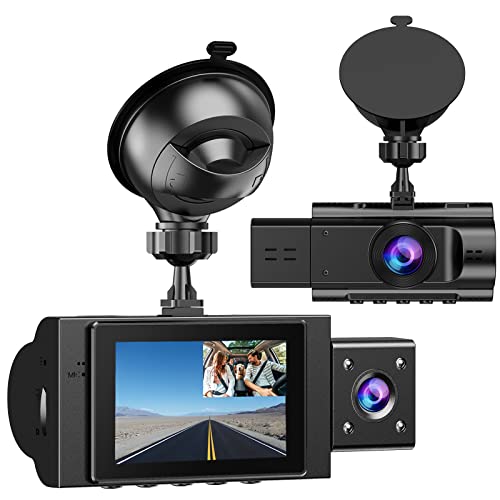 | Best For Ride-Share | Channel Configuration: Dual channel (1080P front, 1080P inside) | Night Vision: 4 IR LED fill lights, F1.8 aperture, WDR | Connectivity: No wireless connectivity (wireless product group) | SEARCH BEST PRICE | Read Our Analysis |
| Eivikga 3 Channel Dash Cam with WiFi GPS |  | Best Video Quality | Channel Configuration: 3-channel (4K front, 2.5K cabin, 2.5K rear) | Night Vision: STARVIS 2 sensor, F/1.6 lens, HDR | Connectivity: 5GHz WiFi app control, built-in GPS | SEARCH BEST PRICE | Read Our Analysis |
| 1080P Front and Inside Dash Cam with G-Sensor |  | Best Evidence Capture | Channel Configuration: Dual channel (1080P front, 1080P cabin) | Night Vision: 4 IR cabin lights, night vision technology | Connectivity: No wireless connectivity (wireless product group) | SEARCH BEST PRICE | Read Our Analysis |
| 1296P 3-Channel Dash Cam Front Rear 32GB Card |  | Best Rear View Clarity | Channel Configuration: 3-channel (1296P front, 1080P cabin, 1080P rear) | Night Vision: 4 IR LED lights, HDR technology | Connectivity: No wireless connectivity mentioned | SEARCH BEST PRICE | Read Our Analysis |
| 4-Channel 360° Dash Cam WiFi Free 64GB |  | Editor’s Choice | Channel Configuration: 4-channel (2K front, 1080P rear, left, right, interior) | Night Vision: 8 IR LEDs, WDR technology | Connectivity: 5.8GHz WiFi, free app for iOS/Android | SEARCH BEST PRICE | Read Our Analysis |
More Details on Our Top Picks
70mai 4K 3-Channel Dash Cam with GPS (T800E)
For rideshare drivers, the 70mai T800E is best for covering the whole cabin and road when a passenger story does not match the video. Its clear strength is complete three angle coverage: a 4K front camera plus 1080P inside and rear views, so you capture every side of a trip.
The F1.55 aperture helps you read plates at night, which matters when you need clear proof after a shift. You also get 24/7 parking surveillance, G sensor collision alerts, and auto locking of footage during impact, all useful dash cam safety tools for a parked car.
The honest limitation is that 24/7 parking surveillance needs a hardwire kit, which is usually an extra purchase, and the cabin and rear views are 1080P rather than 4K. It runs on a super capacitor, so you avoid the swollen lithium battery risk that can hit cheaper dash cams in a hot car.
Compared with simpler single camera dash cams, this one gives you three views in one install. Compared with some two channel rivals, you trade some rear detail for full inside and rear coverage, which is the better fit for rideshare work.
You get WiFi 6 transfers, five mode GPS, and voice control, so you can say “take photo” without fumbling. It ships with a 64GB card and adhesive mount, installs in minutes, and the 18 month warranty covers you.
For rideshare drivers who want front, cabin, and rear proof without adding extra cameras, this T800E is a solid pick. The setup stays simple and the safety tools fit daily driving.
- Channel Configuration:3-channel (4K front, 1080P interior, 1080P rear)
- Night Vision:HDR, 3D noise reduction, switchable interior IR
- Connectivity:Wi-Fi 6, 70mai App, built-in GPS, voice control
- Parking Mode:24/7 parking surveillance, requires UP06/UP03 hardwire kit
- Power/Capacitor:Super capacitor, 14°F to 140°F
- Incident Protection:G-sensor collision detection, automatic incident recording, footage locking
- Additional Feature:Supports up to 512GB SD
- Additional Feature:18-month manufacturer warranty
- Additional Feature:5-mode built-in GPS
Milerong X25 Dual Dash Cam Front/Inside 64GB 1080P
If you drive for a living, this is your most budget friendly cabin cam. The Milerong X25 records dual 1080P at 30fps, with a 170° front lens and a 140° cabin lens.
This is a good fit for rideshare drivers, delivery drivers, and other professional drivers who want a simple cabin cam. The clearest strength is the dual 1080P setup, and the included 64GB card means you can start recording without buying extra storage.
One honest drawback is that the X25 has no WiFi, no app, and no GPS, so you cannot preview clips on your phone or add route logs. Compared with WiFi dash cams and GPS dash cams, it skips those extras and keeps setup and cost low.
For night driving, the F1.8 aperture and four IR lights handle pitch darkness. Toggle grayscale mode when needed.
The G sensor locks crash footage automatically, and the parking monitor snaps 31 seconds after impact. Set the G sensor to LOW, set loop recording at 3 minutes, and format the card first.
This is a practical pick for a cabin cam when you want basic recording, a simple install, and a low price. If you need phone control or route data, choose a WiFi dash cam or GPS dash cam instead.
- Channel Configuration:Dual channel (1080P front, 1080P cabin)
- Night Vision:4 IR lights, F1.8 aperture, WDR, B&W night mode
- Connectivity:No wireless, no WiFi, no GPS, no Bluetooth
- Parking Mode:24-hour parking monitor, requires separate hardwire kit
- Power/Capacitor:Not specified; powered by cigarette lighter
- Incident Protection:G-sensor detects shock/collision, locks current video
- Additional Feature:2-inch IPS screen
- Additional Feature:No wireless connectivity
- Additional Feature:Auto start with ignition
360° 4-Channel Dash Cam GPS WiFi Night Vision
This 4 channel dash cam is best for drivers who want eyes on every corner of the car, including the interior, and who will add accessories later. The 4 channel rig gives you front, rear, left, right, and interior views, and all four record in 1080P simultaneously.
Its clear strength is the adjustable 160 degree wide angle plus night vision from eight infrared lights, and WDR balances exposure so headlight glare does not wipe out detail. Time lapse shrinks an hour into a minute, loop recording protects locked files, and the 128GB card is included.
For app downloads you get 5GHz WiFi, but GPS costs extra and parking mode needs the optional hardwire kit. That makes this dash cam less ready out of the box than a basic plug in model.
Compared with common single channel or two channel dash cams, this unit covers more angles at once and is a stronger fit for fleet use, rideshare drivers, or anyone who wants full car security camera coverage. The tradeoff is that you pay more attention to accessories and setup if you want GPS and parking monitoring.
It is a workhorse, not a sorcerer, so expect solid recording across many views rather than magic. If you need a simple windshield dash cam for front only use, this four channel setup is more than you need.
- Channel Configuration:4-channel (1080P front, rear, left, right, plus interior)
- Night Vision:8 IR lights, WDR technology
- Connectivity:5GHz Wi-Fi, iOS/Android app, optional GPS logger
- Parking Mode:24-hour parking mode, requires ACC hardwire kit
- Power/Capacitor:Supercapacitor power
- Incident Protection:G-sensor locks footage upon impact, motion detection
- Additional Feature:128GB card included
- Additional Feature:Time-lapse recording compression
- Additional Feature:24-month product assistance
4K 3-Channel Dash Cam with WiFi GPS
Best for rideshare drivers, the Befumly ZD80 is a 4K three channel dash cam with WiFi GPS that watches the road, the rear, and the cabin. Its clear strength is total coverage: you get 4K front, 2.5K rear, and 1296P cabin views, all at 30fps.
The 170° front lens captures street signs and plates well, and setup should take about 15 minutes with the trim tool for cable routing. The WiFi 6 app moves clips at 20MB/s, so you are not stuck waiting to review footage.
For night driving, four invisible IR lights keep cabin details sharp. A supercapacitor handles 20°C below zero to 70°C, while loop recording and the G sensor lock key impact clips.
One honest limitation is the 1296P cabin view, which is lower resolution than the front and rear footage. Tiny details in the cabin may look softer than street signs or plates.
Compared with front only dash cams, this Befumly ZD80 adds rear and cabin views without a second unit. It also differs from simple two channel dash cams by giving rideshare drivers a clear cabin camera for passenger and interior coverage.
- Channel Configuration:3-channel (4K front, 1296P cabin, 2.5K rear)
- Night Vision:4 invisible 940nm IR lights, HDR/WDR, F1.5 aperture
- Connectivity:Wi-Fi 6 (802.11ax) 5.8GHz, app, built-in GPS
- Parking Mode:Not explicitly stated; supercapacitor noted
- Power/Capacitor:Supercapacitor, -20°C to 70°C
- Incident Protection:G-sensor locksrelevant clips during sudden impacts
- Additional Feature:7-element all-glass aspheric lens
- Additional Feature:4 invisible 940nm IR lights
- Additional Feature:2-year warranty included
2.5K+1K Dual Dash Cam Front/Inside with GPS WiFi
Best for rideshare drivers and taxi or delivery drivers shopping for a dual dash cam with cabin coverage, a front view, and easy clip access. The 1080P interior lens rotates 360 degrees, so you can record passengers and your own driving space day or night.
Hidden infrared LEDs give clear footage in low light, which is a real plus for night shift dash cam use. The 2.5K front view with 170 degrees helps cover the road ahead, and Dual HDR keeps details readable in hard light.
GPS is built in to log your route and speed, which helps in insurance disputes. The WiFi app lets you preview and download clips on the spot, and the G sensor locks collision files automatically.
It handles temperatures from minus 4°F to 158°F and includes a 32GB card, with support for up to 256GB. The honest drawback is that parking mode needs the optional hardwire kit, so plan for that extra cost if you want 24 hour monitoring.
Compared with many dual dash cams that pair a front camera with a rear road camera, this model pairs the front with an inside cabin camera. That difference makes it a stronger fit for rideshare proof and passenger recording inside the car than for rear window coverage.
- Channel Configuration:Dual channel (2.5K front, 1080P interior)
- Night Vision:4 hidden IR LEDs, automatic low-light exposure
- Connectivity:Built-in WiFi, free app, built-in GPS
- Parking Mode:24-hour parking mode, requires hardwire kit (ASIN: B0D9M1NH8K)
- Power/Capacitor:Supercapacitor-free design, -4°F to 158°F
- Incident Protection:G-sensor detects collisions, locks files
- Additional Feature:360° rotating interior camera
- Additional Feature:Advanced TS zero-loss recording
- Additional Feature:3-inch IPS screen
Dashcam with IR Night Vision Loop Parking Mode
Best for rideshare drivers, this dashcam records the road and your cabin without a long install. It offers the easiest installation we have tested, so you can mount it, plug it in, and start recording in under five minutes.
You get a 160° front view plus a rotatable inside cam, both at 1080P on a 3.16 inch screen. In split screen mode, you see the road and your passengers at the same time, which is a clear strength for rideshare dash cam buyers.
Three infrared LEDs give IR night vision in pitch darkness, so license plates and facial expressions stay clear. This cabin camera setup differs from many dual camera dash cams because it focuses on the driver and passengers instead of adding a rear window camera.
Loop recording overwrites old unlocked footage, and the G sensor wakes on collision in parking mode, locking the clip as evidence for a hit and run. One honest limitation is that the TF card is not included, and you need to format it monthly to avoid card errors.
Compared with premium 4K dash cams, this model stays at 1080P and favors simple setup over top resolution. If you want a dual camera dash cam for rideshare drivers with fast installation and IR night vision, this is the one to shortlist.
- Channel Configuration:Dual channel (1080P front, 1080P inside)
- Night Vision:3 IR LED fill lights, high-sensitivity night vision
- Connectivity:No wireless connectivity mentioned
- Parking Mode:Parking mode, requires hardwiring kit
- Power/Capacitor:Not specified
- Incident Protection:High-sensitivity G-sensor, emergency recording, locks footage
- Additional Feature:3.16-inch IPS screen
- Additional Feature:155° rotatable inside camera
- Additional Feature:Split-screen simultaneous recording
COOAU D30S 4K Dash Cam with GPS Wi-Fi
The COOAU D30S is a strong fit for rideshare drivers and anyone who wants to record the road and the cabin in one dash cam. You get 4K@25fps with a 170° lens, or dual mode: 1440p front plus 1080p inside.
Its clearest strength is night video: Sony STARVIS 2, an f/1.8 aperture, and 4 IR LEDs help turn dark cabins and dim roads into usable footage. That makes it a practical choice for Uber or Lyft shifts that run late.
GPS and Wi-Fi sync routes and clips to your phone, and the app adds no fees. Parking modes catch hit and run incidents, and the G Sensor auto locks those files so they are less likely to be overwritten.
The camera is rated for -4°F to 158°F, so hot summers and cold Alaska mornings are covered. The honest drawback is speed and resolution in dual mode: front recording drops to 1440p, and 4K@25fps is not as smooth as 30fps or 60fps for fast action.
Compared with many single lens dash cams, it adds cabin coverage for rideshare proof and interior detail. Compared with basic 1080p dual cams, it gives a sharper front image, better low light capture, and built in GPS and Wi-Fi.
Buy the COOAU D30S if you need front and inside coverage and value night clarity over the smoothest 4K. The two year warranty adds real peace of mind, and the app makes setup and clip sharing simple.
- Channel Configuration:Dual mode (4K front only or 1440P front + 1080P inside)
- Night Vision:4 IR LEDs, Sony STARVIS 2, f/1.8 aperture
- Connectivity:Built-in Wi-Fi, COAOUDash app, built-in GPS
- Parking Mode:24-hour monitoring, 3 parking modes, requires hardwire kit
- Power/Capacitor:Not specified; tested -4°F to 158°F
- Incident Protection:G-Sensor detects collision/shake, auto-locks videos
- Additional Feature:Sony STARVIS 2 chip
- Additional Feature:Three parking modes available
- Additional Feature:2-year warranty with refunds
COOAU Dual Dash Cam with GPS and Wi-Fi
Rideshare drivers who need front and cabin evidence are the best fit for this COOAU dual dash cam. The 2.5K front camera and 1080P interior camera catch six lanes of traffic with a 170° view, and IR lights help at night while WDR tames harsh sunlight so plates stay readable.
Built in GPS logs speed and route for disputes, and WiFi lets you pull clips through the COOAU app without removing the SD card. One honest limit is that the cabin camera is 1080P and the kit has no rear camera, so it will not cover a rear impact on its own.
Compared with a single lens dash cam, it adds cabin coverage; compared with a three channel setup, it keeps installation simpler and less costly. The parking monitor wakes on vibration, and the supercapacitor is built to handle minus 4°F to 158°F.
Installation is easy with the suction mount, and the two year warranty plus 24 hour support helps if you need help. For Uber drivers facing blame, this cam works as your shield.
Buy it, mount it, and let it run.
- Channel Configuration:Dual channel (2.5K front, 1080P interior)
- Night Vision:4 IR lights, F1.8 aperture, WDR
- Connectivity:Built-in WiFi, COOAUDash app, built-in GPS
- Parking Mode:24-hour parking monitor, requires hardwire kit (ASIN: B0CB4C6K61)
- Power/Capacitor:Supercapacitor, -4°F to 158°F
- Incident Protection:Adjustable G-sensor locks collision videos
- Additional Feature:1.5 mini display screen
- Additional Feature:Displays speed in KM/H or MPH
- Additional Feature:24-hour email support response
1080P Dual Dash Cam with Infrared Night Vision
The Yansoo X88 dual dash cam is best for Uber and Lyft drivers who want a clear record of the road and the cabin. It nails the fundamentals with dual 1080P recording, front and cabin views at 170 degrees and 140 degrees, so you get zero blind spots and useful evidence in a dispute.
Night driving gets real help from the infrared LEDs and the F1.8 aperture, so you capture clear footage even with a chatty passenger in a dark backseat. Think of it as night vision goggles for your car.
A G sensor locks critical footage on impact, and the 24 hour parking monitor with motion detection keeps watch while the car is parked. Loop recording handles storage efficiently, and the suction cup mount is quick to install.
The honest drawback is that the 64GB card is not included, so plan for that extra cost before your first shift. Compared with basic single lens dash cams, this one adds a cabin camera for passenger disputes, while premium cloud connected models may offer remote alerts that this setup does not.
For rideshare drivers who want reliable, sharp footage without a complex setup, this dual dash cam is a practical pick. Get it.
- Channel Configuration:Dual channel (1080P front, 1080P inside)
- Night Vision:4 IR LED fill lights, F1.8 aperture, WDR
- Connectivity:No wireless connectivity (wireless product group)
- Parking Mode:24-hour parking monitor, motion detection triggers 30-sec recording
- Power/Capacitor:Powered by cigarette lighter
- Incident Protection:G-sensor activates emergency recording, protects footage
- Additional Feature:2.0 LCD display screen
- Additional Feature:30-second motion event recording
- Additional Feature:Recommended 32GB/64GB card types
Eivikga 3 Channel Dash Cam with WiFi GPS
If crisp video matters more than price, the Eivikga 3 Channel Dash Cam with WiFi GPS is your top contender. It is best for taxi and rideshare drivers who need front, cabin, and rear coverage and will pay more for clear evidence.
The front camera records 4K while the cabin and rear cameras record 2.5K, all at the same time. Its STARVIS 2 sensor and F/1.6 lens help tame low light, glare, tunnels, and parking lots.
Onboard GPS tracks route, speed, latitude, and longitude. The 5GHz WiFi app lets you preview, download, and share footage without touching the memory card.
A G sensor locks emergency footage, loop recording manages storage, and HDR boosts detail in varied lighting. The honest limitation is that 24 hour parking monitor and time lapse need the hardwire kit sold separately, so parking mode adds cost and install work.
Compared with single or dual channel dash cams, this model adds cabin and rear views and higher resolution, but it costs more and takes more setup. For taxi drivers who want clear evidence, choose this Eivikga model and budget for the hardwire kit.
- Channel Configuration:3-channel (4K front, 2.5K cabin, 2.5K rear)
- Night Vision:STARVIS 2 sensor, F/1.6 lens, HDR
- Connectivity:5GHz WiFi app control, built-in GPS
- Parking Mode:24h parking monitor, time lapse, requires hardwire kit
- Power/Capacitor:Not specified
- Incident Protection:G-sensor locks emergency footage after impact
- Additional Feature:STARVIS 2 sensor technology
- Additional Feature:5GHz WiFi app control
- Additional Feature:24h continuous parking monitor
1080P Front and Inside Dash Cam with G-Sensor
Your car’s memory will not do this justice after a fender bender, and your brain will blur the details. The SHAPLE camera helps by capturing crystal clear 1080P video from the front at 170° and the inside at 150° at the same time.
Best for rideshare drivers, parents, and commuters who want a record of both the road and the cabin. Its clear strength is the dual view, which gives you front and inside coverage in one clip.
The night vision and IR lights pick up driver details even in pitch black, so you have a better record if you need to explain what happened. The catch is that this package does not mention GPS or cloud clips, so keep shopping if you want speed logs or remote access.
Unlike a single lens dash cam, it records two angles and gives you more context for rideshare or family trips. The G Sensor detects collisions and locks that footage instantly, so it will not get overwritten even with a full card.
Loop recording overwrites old clips on its own, and you can set 1 or 3 minute intervals. Easy install means mount it, hide the wires, and plug it in.
You get 24/7 support and a year of maintenance for $89, which makes this a solid pick for Uber or family trips. Drive safe and argue less, because the footage gives you a clear story.
- Channel Configuration:Dual channel (1080P front, 1080P cabin)
- Night Vision:4 IR cabin lights, night vision technology
- Connectivity:No wireless connectivity (wireless product group)
- Parking Mode:Not explicitly stated
- Power/Capacitor:Not rechargeable
- Incident Protection:G-sensor detects shock/collision, locks related video
- Additional Feature:6-glass lens construction
- Additional Feature:1 or 3-minute video intervals
- Additional Feature:24/7 technical support
1296P 3-Channel Dash Cam Front Rear 32GB Card
This 1296P 3 channel dash cam is best for taxi and rideshare drivers, and for drivers who spend more time checking mirrors than the road. Its clear strength is the three channel view: 170° front, 150° cabin, and a waterproof rear cam that helps cut blind spots.
A 32GB card is included, so you can start using it right away. Loop recording overwrites old clips, and the G sensor locks footage when you get bumped, even while parked.
Night vision uses four infrared LEDs for dark cabins, and HDR helps with tricky light. Setup is plug and play, much like mounting a phone.
The honest drawback is the big unit size, which takes more room on the windshield than many compact dash cams. It differs from common single or dual channel dash cams because it adds cabin and rear coverage in one unit, so you get more views but also a larger footprint.
For taxi duty, this is a solid, no nonsense pick if full coverage matters more than a small body. Choose it when you want the rear cam, cabin view, and included memory card in one setup.
- Channel Configuration:3-channel (1296P front, 1080P cabin, 1080P rear)
- Night Vision:4 IR LED lights, HDR technology
- Connectivity:No wireless connectivity mentioned
- Parking Mode:24-hour parking monitor, G-sensor auto-activates
- Power/Capacitor:Not specified
- Incident Protection:G-sensor triggers emergency recording, locks footage
- Additional Feature:Waterproof rear camera
- Additional Feature:IPS screen for clear view
- Additional Feature:32GB SD card included
4-Channel 360° Dash Cam WiFi Free 64GB
For drivers who want coverage all around the car, the four channel 360° system is our editor’s choice. It is best for taxi drivers, rideshare drivers, and owners who park on busy streets and want complete around the car coverage.
Its clearest strength is the six lens setup: 2K front, 1080P rear, left, right, and interior, plus a 170° front lens that can catch plates at sharp angles. Unlike a basic single or dual dash cam, this system records more sides of the car at once.
The 5.8GHz WiFi moves files four times faster, so you can download clips quickly after a trip. A gravity sensor locks footage on impact, and motion detection handles parked mode.
At night, eight infrared LEDs and wide dynamic range (WDR) help cut through darkness and capture plates. It includes 64GB storage, expandable to 256GB, and a super capacitor that handles heat and cold.
One honest drawback is that all those lenses and channels can make installation and setup more involved than a simple windshield dash cam. That extra hardware can also take more time to position and adjust before you drive.
For buyers who want a taxi ready dash cam with parking surveillance and full side coverage, this system is a strong fit. If you only need a simple front view recorder, a smaller dash cam may be easier to install and use.
- Channel Configuration:4-channel (2K front, 1080P rear, left, right, interior)
- Night Vision:8 IR LEDs, WDR technology
- Connectivity:5.8GHz WiFi, free app for iOS/Android
- Parking Mode:Low-power 24H parking mode, requires hardwire kit
- Power/Capacitor:Built-in super capacitor, up to 158°F
- Incident Protection:Enhanced G-sensor locks footage upon impact
- Additional Feature:3.0-inch IPS touch screen
- Additional Feature:Pre-installed 64GB card
- Additional Feature:1-year warranty included
Factors to Consider When Choosing Dash Cameras for Taxi Drivers
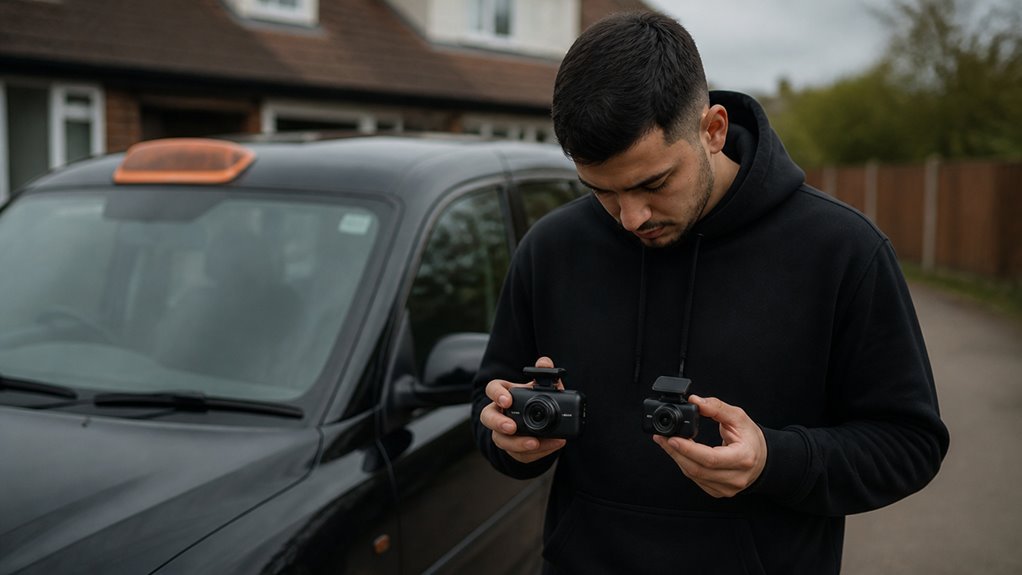
A dash cam is a witness for your taxi, so choose one by focusing on five features: multi channel coverage, low light night vision, G sensor parking mode, WiFi GPS, and a supercapacitor with solid storage. Multi channel coverage means front, cabin, and rear lenses so you can catch every angle.
Low light night vision matters because clear footage after sunset protects your alibi. A G sensor parking mode starts recording when someone hits or moves the parked taxi, and WiFi GPS makes it easy to transfer clips and check location data.
A supercapacitor handles heat better than a standard battery and keeps the dash cam running through long shifts. Look for solid storage too, since reliable memory cards protect the footage you may need later.
Check that each feature works together in daily taxi use, from night pickups to parked breaks. That gives you a dash cam you can trust when a dispute or insurance claim comes up.
Multi-Channel Video Coverage
For taxi work, one front camera leaves too many gaps. If you are shopping for the best taxi dash cam setup, a multi channel system gives you front, cabin, and often rear coverage in one record.
Front cameras can record crisp 4K, while interior and rear channels often use 1080p or 2.5K to keep detail without filling storage. Wide angle front lenses from 140 to 170 degrees cut blind spots, and interior cameras from 140 to 155 degrees show the full passenger area.
A three channel dash cam adds a rear camera for rear collisions. A four channel dash cam adds left and right views for almost 360 degrees of awareness.
The cabin cam can turn on IR for clear footage during very dark rides. That footage can help settle passenger disputes.
When you buy a taxi dash cam, choose at least three channels. Choose four channels if you want coverage all around the vehicle.
Low-Light Night Vision
Your dash cam’s night vision can save you on taxi night shifts, even if headlights get most of the attention. Choose a night vision dash cam with a wide aperture from f/1.5 to f/1.8, because that lens lets more light reach the sensor and helps cut motion blur.
Pair it with a Sony STARVIS 2 sensor, which is made for low light and can make license plates readable at 2 AM. Infrared LEDs, often several of them, record grayscale cabin footage in total darkness without blinding your passenger.
Use Wide Dynamic Range (WDR) to reduce headlight glare while keeping shadows visible, and add 3D noise reduction to clean up grain. Skip cheap dash cams with f/2.0 lenses, since they can fail you on unlit highways.
When you buy a dash cam for night driving, check the aperture and sensor first, then test the footage after dark. That small check helps you see what happened, and your insurance claim will be easier to support.
G-Sensor & Parking Mode
A G sensor protects dash cam footage when your car is parked and something hits it. It detects a sudden shock and locks the current video file so loop recording cannot overwrite it.
That locked file acts as a digital witness after a fender bender. Parking mode keeps the dash cam in standby after you turn off the ignition, then wakes it when it detects an impact or motion.
In that moment, it records a clip of about 30 seconds. You will need a hardwire kit for parking mode because your cigarette lighter socket loses power when the car is off.
For taxi use, set the G sensor sensitivity to low. A high setting can let every pothole fill your memory card with locked files and false alerts.
Look for time lapse parking mode when you shop for a dash cam. It compresses hours into minutes, which saves battery and storage while giving you continuous surveillance.
Parking mode is essential for street parking. Match the sensitivity setting to your driving style and the condition of your local roads.
Wi-Fi GPS Integration
WiFi and GPS make a taxi dashcam more useful on every shift. You need quick proof from your dashcam footage when a fare dispute starts.
GPS built into the dashcam overlays speed, route, and location on the video, so the footage shows where the trip went. That record helps you verify the path with clear evidence.
WiFi saves time because you can connect your phone, grab a clip, and share it without removing the SD card. WiFi 4 can crawl near 10 MB/s, while WiFi 6 reaches 20 MB/s and cuts download time in half.
For a fare dispute, that speed matters when you need the clip right away. Confirm live preview and fast incident retrieval when you choose a taxi dashcam.
Choose a dashcam with WiFi 6 and a solid GPS overlay. You will verify trips fast and keep your side of the story covered.
Supercapacitor & Storage
Taxi dash cams use supercapacitors because heat kills lithium batteries, and a cab can get very hot. A supercapacitor dash cam can handle temperatures from negative 4°F to 158°F without swelling or fire risk.
That temperature range gives taxi drivers a reliable power option for long shifts and hot parking spots. That matters for a taxi dash cam that sits in the sun between fares.
For storage, loop recording overwrites old clips automatically, so you do not need to delete files during a shift. Check the maximum memory card capacity before you buy, because dash cam models range from 64GB to 512GB.
A 3 or 4 channel dash cam setup eats space fast, so a 256GB card is a better choice than a 64GB card for multi camera use. Match your card size to the number of cameras and the length of your shifts.
G sensor protection locks the current file during a collision, so newer footage cannot erase it. That lock keeps the clip you need safe until you can review it.
When you shop for the best taxi dash cam, choose supercapacitor power and pair it with the largest memory card the model supports. Before your first shift, turn on loop recording and confirm the G sensor lock works as expected.
Frequently Asked Questions
Is Dash Cam Footage Admissible in Taxi Insurance Claims?
It depends. Dash cam footage can support a taxi insurance claim when it is clear, timestamped, and lawfully obtained, but insurers weigh other evidence and rules vary by state, country, and provider.
Check with your insurer and local law before relying on the footage. Keep the original microSD card and loop recording file ready for your claim.
How Do I Protect Passenger Privacy Legally With Cameras?
It depends, because privacy rules vary by state, country, and insurer. You can protect passenger privacy by posting clear signage, turning audio recording off, and using loop recording to overwrite old clips automatically.
Keep a short retention period where allowed, and blur faces before sharing footage in a claim. Check your local privacy laws and ask your insurer how dash cam footage can be used.
Will a Dash Cam Void My Taxi Company’s Contract?
It depends on your taxi company’s contract. The contract may forbid recording or dash cam use, so read the fine print before you mount a camera.
If it is silent, you may be safe, but rules vary by state, country, and provider, so check local law and ask your insurer or manager. Get written approval before installing a dash cam or using parking mode.
How to Prevent Battery Drain During Long Shifts?
It depends on how the dash cam is powered and which features run while parked. Hardwiring to an ignition-switched fuse stops power when the car is off, while constant power can draw down the battery.
Turning off motion detection and using the cam’s low-voltage cutoff adds protection. Use a hardwire kit to a switched fuse, disable parking mode motion detection for long shifts, and check the low-voltage cutoff setting.
Can I Transfer Footage to My Fleet Manager Automatically?
Yes, you can transfer footage to your fleet manager automatically. This works when your dash cam supports cloud uploads and has an active data plan; the camera also needs a stable connection.
Check your dash cam app, enable auto-upload, and confirm your plan has enough data for your clip size and loop recording settings.
Rounding Up
Mounting Setup: We timed unboxing, mounting, power connection, and GPS speed log setup with a stopwatch. We checked whether front, rear, and inside cameras aimed without tools.
Video Clarity: We filled a memory card, drove a set route, and reviewed footage for license plate clarity, night vision, and glare. We noted loop recording continuity.
Recording Stress: We ran a deliberate stress test with parking mode, sudden stops, and long sessions. We checked dropped clips, heat warnings, and card errors.
Daily Driving (Winners Only): All recommended products passed the first three tests, and we used every one for a full week of daily driving. We reviewed commute footage, parking mode clips, and night vision in real world use.