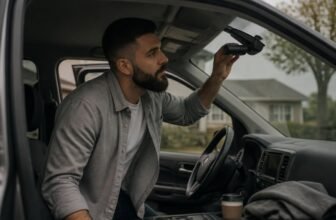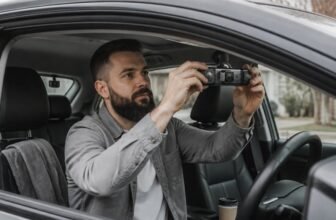
Clear scenic driving videos start with the right dash camera, so choose one that captures clean footage on every trip.
The real problem is balancing video resolution, field of view, storage, and compatibility with your car, so check those details before you buy.
We compared specs, real world footage quality, and brand reputation to identify the best dash cameras for scenic drives.
Below are helpful notes on standout models, key features, and what is worth buying for your next drive.
Dash Cam Highlights
We chose products by comparing corresponding and appropriate specs and price, including 4K/2K resolution, ultra wide 170° lenses, F1.5 to F1.8 STARVIS sensors, and WDR. These night vision and easy to install criteria helped narrow the field for scenic drives.
We prioritized front and rear dash cam coverage, loop recording, and parking mode when matching features to driving needs. WiFi apps and time lapse helped assess sharing and longer scenic recording.
GPS and WDR checks supported clear, shareable scenic results. These picks are best for rideshare drivers and road trips, with 4K video and front and rear coverage.
| XTRONS Dash Cam 140° Wide Angle Loop Recording |  | Best Head-Unit Compatible | Video Resolution: 1080P FHD | Field of View: 140° front (rotating lens) | Night Vision: High-quality low-light recording | SEARCH BEST PRICE | Read Our Analysis |
| IIWEY N6 360° 4-Channel Dash Cam 128GB |  | Most Comprehensive Coverage | Video Resolution: STARVIS 2K (1440p) front/rear/side | Field of View: 170° front/rear, 150° sides | Night Vision: Infrared night vision with 8 IR lights | SEARCH BEST PRICE | Read Our Analysis |
| Dual Dashcam IR Night Vision Parking Mode |  | Best For Rideshare | Video Resolution: 1080P dual camera | Field of View: 160° front, 155° interior | Night Vision: High-sensitivity night vision, 3 IR LED lights | SEARCH BEST PRICE | Read Our Analysis |
| 4-Channel 360° Dash Cam 2K WiFi Night Vision |  | Premium Multi-Channel | Video Resolution: 2K front, 1080P rear/left/right/interior | Field of View: 170° front | Night Vision: 8 infrared LEDs + WDR technology | SEARCH BEST PRICE | Read Our Analysis |
| 2K Dash Camera Front Inside WDR G-Sensor |  | Most Straightforward | Video Resolution: 2K (2560x1440p) front | Field of View: 140° front | Night Vision: Advanced night vision | SEARCH BEST PRICE | Read Our Analysis |
| 360° 4K Dash Cam Front and Rear |  | Best 4K Quality | Video Resolution: 4K front, 1080P three additional lenses | Field of View: Not specified (4-channel 360° coverage) | Night Vision: STARLIGHT night vision, 8 IR LEDs, WDR | SEARCH BEST PRICE | Read Our Analysis |
| BOTSLAB G300H Plus 4K Dual Dash Cam |  | Best Extreme Weather | Video Resolution: 4K front, 1080P rear | Field of View: 170° front, 150° rear | Night Vision: STARVIS 2 sensor; F1.5 aperture | SEARCH BEST PRICE | Read Our Analysis |
| Veement V300 Mini WiFi Dash Cam Night Vision |  | Most Compact Option | Video Resolution: 1296P front | Field of View: 170° front | Night Vision: F1.7 aperture, 6-layer glass lens | SEARCH BEST PRICE | Read Our Analysis |
| Dash Cam Front and Inside WiFi Night Vision |  | Best App Integration | Video Resolution: 2.5K front, 1080P cabin | Field of View: 170° front, 150° interior | Night Vision: 4 IR LEDs, WDR | SEARCH BEST PRICE | Read Our Analysis |
| BOTSLAB G300H Plus 4K Dual Dash Cam Front/Rear |  | Premium Dual Cam | Video Resolution: 4K front, 1080P rear | Field of View: 170° front | Night Vision: STARVIS 2 sensor; HDR | SEARCH BEST PRICE | Read Our Analysis |
| Dash Cam 2.5K Front Rear 64GB WiFi GPS |  | Best GPS Value | Video Resolution: 2.5K QHD front and rear | Field of View: 160° front | Night Vision: WDR technology | SEARCH BEST PRICE | Read Our Analysis |
| Icesky 4K 360° Dash Cam with GPS |  | Best All-Around 4K | Video Resolution: 4K front, 1080P rear/left/right | Field of View: 360° coverage (4-channel) | Night Vision: 8 IR lights on side cameras | SEARCH BEST PRICE | Read Our Analysis |
| WOLFBOX G840S 4K Mirror Dash Cam GPS WiFi |  | Best Mirror Cam | Video Resolution: 4K UHD front, 1080P rear | Field of View: 170° front, 140° rear | Night Vision: WDR & HDR technology | SEARCH BEST PRICE | Read Our Analysis |
More Details on Our Top Picks
XTRONS Dash Cam 140° Wide Angle Loop Recording
If your ride has an aftermarket Android head unit, this XTRONS dash cam is a strong match. It is best for Android 8.0+ owners who want a clean setup without a second screen.
The DVR025S plugs into your head unit USB port, so you skip drilling and screws. Its clear strength is crisp 1080P FHD video, even at night, thanks to the high end chip.
The 140° wide angle lens catches the whole scenic sweep, and you can rotate it 45° for the perfect shot. Loop recording is covered, and low light performance is handled.
One honest limitation is the short 3 month warranty, though XTRONS does give real technical support. Unlike standalone dash cams that need their own screen and extra wiring, this model works through your Android head unit.
At this price, it is a no brainer for Android 8.0+ owners who want an easy dash cam upgrade. If that fits your car, grab it and you will thank me later.
- Video Resolution:1080P FHD
- Field of View:140° front (rotating lens)
- Night Vision:High-quality low-light recording
- Power Source:Not specified
- Parking Mode:Not specified
- WiFi Connectivity:Not specified
- Additional Feature:45° rotating lens
- Additional Feature:3M sticker mount
- Additional Feature:Works with Android head units
IIWEY N6 360° 4-Channel Dash Cam 128GB
For rideshare drivers and road trippers who want the widest view, the IIWEY N6 is the best dash cam here for comprehensive coverage. It uses four channel 2K recording to cover front, rear, and both sides.
You get 170° front and rear views plus 150° side views, which helps cut blind spots on busy pickup routes and narrow scenic roads. Eight IR lights keep night footage sharp when cabin light is low.
Its clear strength is four way coverage where most dash cams only record front and rear. The honest drawback is the wired install: you need the hardwire kit for parking mode, so budget for that extra step.
Time lapse recording stretches storage to about 48 hours, and impact detection locks clips when it senses a hit. WiFi 6 makes clip downloads fast, and the included 128GB card means you can start recording right away.
Peel the protective lens film first, or you will see red lines in the footage. Buy the IIWEY N6 if four camera coverage matters more to you than a simple two channel setup.
- Video Resolution:STARVIS 2K (1440p) front/rear/side
- Field of View:170° front/rear, 150° sides
- Night Vision:Infrared night vision with 8 IR lights
- Power Source:Wired (no built-in battery)
- Parking Mode:Yes (requires hardwire kit)
- WiFi Connectivity:WiFi 6 (5.8 GHz)
- Additional Feature:Vision Enhance technology
- Additional Feature:128GB card included
- Additional Feature:Long-press Wi-Fi toggle
Dual Dashcam IR Night Vision Parking Mode
Rideshare drivers, this dual dash cam covers your cab and the chaos beyond it, and for that job it is a total winner. It is best for drivers who need cabin and road coverage in one recorder, and its clear strength is 1080P with infrared LEDs for clear plates and faces in pitch black.
You get a 160° front view plus a 155° rotatable inside cam that records split screen video, so scenic drives and back seat passengers appear together. This setup differs from a basic front only dash cam because it adds a second view of the cabin and passengers.
The G sensor parking mode wakes up and locks footage on impact, but it needs a hardwiring kit to work while parked. That hardwiring requirement is the honest drawback if you want simple plug in parking coverage.
Loop recording overwrites old clips, and you should format the card monthly to keep it reliable. Setup is a three step breeze even for a tech beginner: stick it, plug it, angle it.
For parking mode dash cam shoppers, Wagoyo offers 24/7 evidence once the hardwiring kit is in place, so you avoid a daily wiring headache. If you are shopping for the best dual dash cam for rideshare drivers with cabin coverage, this one deserves a close look.
- Video Resolution:1080P dual camera
- Field of View:160° front, 155° interior
- Night Vision:High-sensitivity night vision, 3 IR LED lights
- Power Source:Cigarette lighter connection
- Parking Mode:Yes (requires hardwiring kit)
- WiFi Connectivity:Not specified
- Additional Feature:Three-step setup process
- Additional Feature:Monthly formatting recommended
- Additional Feature:Split-screen simultaneous recording
4-Channel 360° Dash Cam 2K WiFi Night Vision
Serious dash cam users who want full coverage will find the missing piece here: a true 360° view with 2K front, 1080P rear, side, and interior coverage, plus six lenses in total. The 170° front lens catches plates at steep angles, which makes this setup useful for Uber drivers, rideshare drivers, parents watching kids, and small fleet owners who need a record of what happens around the whole vehicle.
Its clearest strength is the four channel coverage that closes the side and cabin blind spots a standard single dash cam or two channel dash cam leaves open. That extra coverage is the main reason it differs from simpler windshield only models, because those cameras usually record the road ahead and maybe the rear, not the sides or interior.
The 5.8GHz WiFi moves clips about 4x faster, so you can review dash cam footage without pulling the SD card. 24H parking mode with a G-sensor locks footage on impact, and 8 infrared LEDs with WDR (wide dynamic range) improve night vision even on dark roads.
A supercapacitor helps it handle heat up to 158°F, which matters for parking mode in hot climates. The honest drawback is installation: a 4-channel dash cam needs more cable routing and setup time than a basic plug in unit, and the extra lenses can mean higher cost and more storage management.
Compared with dual camera dash cams, this system gives you side and interior views that those products miss. If you want a simple windshield dash cam for daily driving only, this is more hardware than you need, but for rideshare insurance and fleet recording it offers a wider safety net with fewer blind spots.
- Video Resolution:2K front, 1080P rear/left/right/interior
- Field of View:170° front
- Night Vision:8 infrared LEDs + WDR technology
- Power Source:Supercapacitor
- Parking Mode:Yes (24H parking mode, requires hardwire kit)
- WiFi Connectivity:5.8GHz WiFi
- Additional Feature:3.16-inch IPS touch screen
- Additional Feature:6 lenses total
- Additional Feature:Supercapacitor for extreme heat
2K Dash Camera Front Inside WDR G-Sensor
For drivers who want a simple front and interior dash cam with evidence on every trip, this model suits scenic road trips and daily commutes. It plugs in and records once the ignition turns on, with no battery to charge because it is hardwired.
The front camera records 2K (2560x1440p) through a 140° lens and catches multiple lanes, while the cabin camera covers the inside of the car. Its clear strength is night vision that helps pull plates, and WDR helps fight glare from headlights and sunlight.
The G-Sensor locks files when it feels an impact, which is useful proof for insurance claims. Use an 8-32GB SD card (not included), and Loop recording overwrites old clips so you do not have to manage storage.
This dash cam is basic on purpose: it has no WiFi or fancy apps, and the two inch screen is small but works for setup and playback. For daily drives, this hardwired dash cam gives reliable, practical protection without app fuss, and it differs from premium WiFi models and battery dash cams because it skips wireless control and stays wired to the car.
- Video Resolution:2K (2560x1440p) front
- Field of View:140° front
- Night Vision:Advanced night vision
- Power Source:Hardwired (battery-less design)
- Parking Mode:Not specified
- WiFi Connectivity:Not specified
- Additional Feature:Plug-and-play operation
- Additional Feature:2-inch built-in screen
- Additional Feature:Audio recording enabled
360° 4K Dash Cam Front and Rear
Why settle for half the view when you can capture everything? This four channel dash cam is best for drivers who want full coverage around the car, including rideshare drivers and fleet owners who need strong parking protection.
It wraps your car in a 360° blanket of clear coverage with a front 4K camera plus three adjustable 1080P lenses, all feeding a 3.18 inch IPS screen. No blind spots, period.
Its standout strength is the four camera view that captures front, rear, and side angles at once, while STARLIGHT night vision with 8 infrared LEDs and an F1.6 aperture helps you see in darkness. True WDR tames headlight glare, so details survive even when light does not.
The honest drawback is that full coverage takes more setup than a simple windshield cam, and the 24 hour parking mode needs a hardwire kit. You also need to route cables for three extra lenses, so plan for a little installation time.
Unlike common single or dual channel dash cams, this model gives you four views and a built in screen instead of one narrow front view. It comes with a 64GB card already loaded, so it is ready right after unboxing.
The G sensor locks crash footage to protect your proof, and the 24 hour parking mode catches hit and run drivers when the car is parked. For drivers who want the whole picture and can handle the extra install work, this dash cam is worth every penny for worry free driving.
- Video Resolution:4K front, 1080P three additional lenses
- Field of View:Not specified (4-channel 360° coverage)
- Night Vision:STARLIGHT night vision, 8 IR LEDs, WDR
- Power Source:Not specified
- Parking Mode:Yes (24-hour parking mode, hardwire kit required)
- WiFi Connectivity:Dual-band 5.8GHz WiFi
- Additional Feature:4K front lens
- Additional Feature:Front sensor detects 3-4 meters
- Additional Feature:5-second quick start
BOTSLAB G300H Plus 4K Dual Dash Cam
Best for drivers who face brutal winters and blazing summers, the BOTSLAB G300H Plus 4K Dual Dash Cam is built to keep recording when temperatures swing hard. It pairs a 4K front camera with a 1080P rear camera, and both use STARVIS 2 sensors for night footage that shows license plates instead of blurry blobs.
Its 170° front lens and 150° rear lens cover multiple lanes, so you can spot hazards before they reach you. Voice commands like “Take photo” or “Video start” let you keep your hands on the wheel without tapping the screen.
A supercapacitor replaces the lithium battery, so the dash cam starts instantly from minus 20°C to 70°C in a blizzard or heatwave. One clear strength is the wide front and rear coverage that helps with lane changes, parking lot incidents, and insurance claims.
One honest limitation is that this listing does not spell out built in GPS or parking mode, so check the full spec sheet if those dash cam features matter to you. The peel and stick mount keeps installation simple, and the f/1.5 aperture helps deliver crisp clips in low light.
Compared with many other dual dash cams, this model stands out for combining voice control, a supercapacitor, and STARVIS 2 night recording in one front and rear setup. That mix makes it a strong keeper for drivers who want reliable hot and cold weather performance.
- Video Resolution:4K front, 1080P rear
- Field of View:170° front, 150° rear
- Night Vision:STARVIS 2 sensor; F1.5 aperture
- Power Source:Automotive-grade supercapacitor
- Parking Mode:Yes (24-hour parking monitor, hardware kit required)
- WiFi Connectivity:5.8GHz WiFi
- Additional Feature:Voice control commands
- Additional Feature:STARVIS 2 sensor
- Additional Feature:Automotive-grade supercapacitor
Veement V300 Mini WiFi Dash Cam Night Vision
The Veement V300 Mini WiFi Dash Cam is best for drivers who want a small dash cam that hides behind the rearview mirror, especially for night driving and night vision. Its clearest strength is low light footage: the 1296P resolution beats 1080P, the 170° lens covers multiple lanes, and the F1.7 aperture helps it see well when light drops.
The honest drawback is hardwiring, so plan for an install step and extra effort before you buy. It also runs on USB-C power only with no battery, which helps with overheating but means you must keep it powered by the car.
Compared with the other cams in this article, larger cams that use batteries may be easier to plug in, but the V300 is the pick for night drives because it stays out of view. If you want live preview and clip sharing, the WiFi app makes phone checks simple.
The TS stream stores footage fast and supports up to 256GB, which suits long drives and easy file access. Grab the V300 if a hidden dash cam with crisp night detail matters more to you than a simple setup that plugs into the car.
- Video Resolution:1296P front
- Field of View:170° front
- Night Vision:F1.7 aperture, 6-layer glass lens
- Power Source:Lithium battery-free, USB-C power
- Parking Mode:Yes (24/7 parking mode, hardwire installation)
- WiFi Connectivity:Built-in WiFi (VeeCar app)
- Additional Feature:TS stream technology
- Additional Feature:Battery-free design
- Additional Feature:USB-C continuous power
Dash Cam Front and Inside WiFi Night Vision
This front and inside dash cam is best for rideshare drivers and families who want road and cabin coverage without a bulky screen on the windshield. It records 2.5K front and 1080P cabin video with a 170° front view and a 150° interior view.
The clear strength is easy clip transfer through the VeeCar app over WiFi, so you can save footage to your phone without pulling the card. At night, 4 IR LEDs show black and white cabin footage, and WDR helps with bright headlights.
One honest limitation is the screenless mount: you must use the app to check framing and settings, which can feel slower when you first install it. Compared with many dual cams that sit in full view or require card removal, this unit hides behind your mirror and keeps the windshield cleaner.
It comes with a 32GB card and supports up to 256GB, so you can start recording right away and add storage later. The G sensor locks collision clips, and an optional hardwire kit adds parking monitoring for overnight coverage.
For late night gigs, this dual channel dash cam gives you peace of mind in a tiny box. Buyers who want a built in screen should look at a different style, but app control keeps daily use simple.
- Video Resolution:2.5K front, 1080P cabin
- Field of View:170° front, 150° interior
- Night Vision:4 IR LEDs, WDR
- Power Source:Not specified
- Parking Mode:Yes (impact-triggered; time-lapse with hardwire kit)
- WiFi Connectivity:2.4GHz WiFi (VeeCar app)
- Additional Feature:Screenless mirror design
- Additional Feature:32GB card pre-installed
- Additional Feature:Adjustable G-Sensor sensitivity
BOTSLAB G300H Plus 4K Dual Dash Cam Front/Rear
You’re eyeing the BOTSLAB G300H Plus, and this premium dual cam setup is best for vloggers and road trippers who want front and rear coverage from one dash cam kit. The STARVIS 2 sensor doubles low light sensitivity, so dusk shots stay true to life.
Front 4K and rear 1080P recording, plus a 170° front angle, help you catch every scenic view in a multi lane drive. Its 5.8GHz WiFi moves clips about 10 times faster, so you spend less time waiting around.
Voice commands let you grab a photo without reaching for the camera, which helps mid drive. Built in GPS logs your route for easy playback and reliving that mountain pass.
The included 64GB card loops automatically and can expand to 256GB, but 4K front and 1080P rear footage will fill it quickly on long trips. That limited starting storage is the main trade off if you record hours of road trip video.
The supercapacitor handles extreme heat and cold, which adds peace of mind for year round driving. Unlike many basic single cam dash cams, this dual cam kit covers front and rear in one setup and stays a top pick for vloggers who want clean, shareable footage without fuss.
- Video Resolution:4K front, 1080P rear
- Field of View:170° front
- Night Vision:STARVIS 2 sensor; HDR
- Power Source:Supercapacitor
- Parking Mode:Yes (24-hour parking monitor)
- WiFi Connectivity:5.8GHz WiFi
- Additional Feature:Built-in GPS logging
- Additional Feature:18-month warranty
- Additional Feature:64GB card included
Dash Cam 2.5K Front Rear 64GB WiFi GPS
This dash cam suits the scenic driver who wants proof, not pixel peeping, and it is a strong fit for daily commuters and road trip drivers who want front and rear coverage. You get crisp 2.5K QHD footage from front and rear cameras, plus a 160 degree lens that catches the whole roadside.
Its F1.8 aperture lets in more light, so you can read license plates at dusk instead of guessing at blurry shapes. The clearest advantage is the 64GB card that comes installed, so you can start recording in about 30 minutes without extra shopping.
WiFi convenience lets you grab clips on your phone without pulling the card, which is a small luxury I respect. GPS stamping logs speed and location, and that can help your insurance adjuster see the facts.
The G sensor locks crash clips, and loop recording handles the rest on normal drives. The honest drawback is that parking mode needs a separate hardwire kit, so always on protection adds cost and install work.
Compared with many single camera dash cams, this unit gives you rear coverage and a card in the box. Compared with premium dual camera dash cams, it keeps things simple and skips extra features you may not need.
For daily drives where you want clear evidence, this is a solid, simple pick. Buy it for the included storage and dual cameras if that matches your route and budget.
- Video Resolution:2.5K QHD front and rear
- Field of View:160° front
- Night Vision:WDR technology
- Power Source:Cigarette lighter port
- Parking Mode:Yes (requires optional hardwire kit)
- WiFi Connectivity:WiFi app connectivity
- Additional Feature:8-layer glass lens
- Additional Feature:3.39-inch IPS screen
- Additional Feature:High-endurance card recommended
Icesky 4K 360° Dash Cam with GPS
Experiencing breathtaking routes often means missing the view ahead. With the Icesky 4K 360°, you will not miss it.
Best for drivers who want one dash cam to cover the road ahead, behind, and to both sides. Its clearest strength is true 360° coverage from a four channel system: a crisp 4K front camera plus 1080P rear, left, and right views.
That setup slashes blind spots and gives you complete evidence on any road, all shown on a 3 inch screen. The honest limitation is parking mode: it needs a hardwire kit sold separately, so the always watchful setup costs extra.
It differs from a single lens dash cam because it records front, rear, left, and right at once. It also differs from many two channel systems by adding side cameras for lane changes, tight parking, and insurance disputes.
Night vision uses eight IR lights on the side cams to brighten dark footage, so you see more than your headlights show. GPS is built in and records speed, route, and location for reliable proof in disputes.
Storage includes a 128GB card, loop recording, and G sensor locks for impacts. If you want full circle peace of mind, this rig gives you a clear view of the whole road.
- Video Resolution:4K front, 1080P rear/left/right
- Field of View:360° coverage (4-channel)
- Night Vision:8 IR lights on side cameras
- Power Source:Not specified
- Parking Mode:Yes (24H parking mode, hardwire kit required)
- WiFi Connectivity:5.8GHz WiFi 6
- Additional Feature:Voice alerts system
- Additional Feature:Screen saver mode
- Additional Feature:128GB SD card included
WOLFBOX G840S 4K Mirror Dash Cam GPS WiFi
The WOLFBOX G840S is a mirror dash cam best for drivers who want a wide rear view and fast phone access to footage from a mirror style unit. Its 4K front camera records at 2160p, the rear camera records at 1080p, and the 12 inch screen shows 1.5 times more than your standard mirror.
The clear strength is the 4K front video paired with that 12 inch screen, while the 170° front lens, 140° rear lens, WDR, and HDR help balance light so skies do not wash out. Low reflectivity LCD cuts daytime glare, which is a useful touch for bright commutes.
The honest drawback is the hardwire kit: 24 hour parking mode time lapses and saves power only when you add that kit. Use the 5.8GHz WiFi app to grab footage fast, and GPS tracks your route for speed and location data.
Split screen shows both lenses, and the Twelve month guarantee covers you if you use original accessories. Other mirror dash cams often use smaller screens or lower front resolution, so the G840S stands out for its large mirror display and 4K front video.
- Video Resolution:4K UHD front, 1080P rear
- Field of View:170° front, 140° rear
- Night Vision:WDR & HDR technology
- Power Source:Not specified
- Parking Mode:Yes (24-hour parking monitor)
- WiFi Connectivity:5.8GHz WiFi
- Additional Feature:12-inch mirror display
- Additional Feature:2.5D curved screen
- Additional Feature:Low-reflectivity LCD
Factors to Consider When Choosing Dash Cameras for Scenic Driving Videos
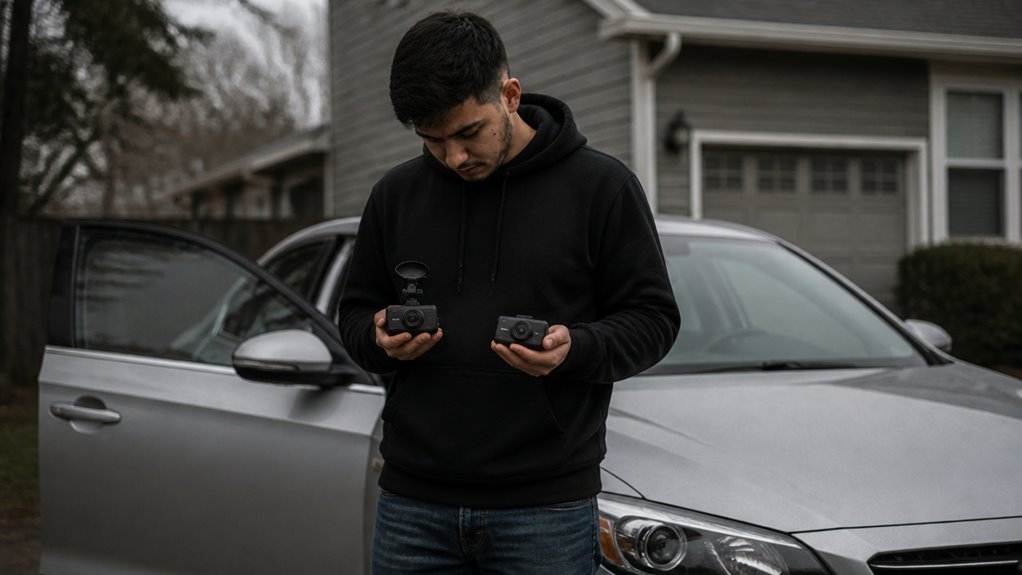
Before you buy a dash cam for scenic driving videos, check five factors that shape the final footage: video resolution, wide angle lens, low light performance, storage capacity, and mounting stability. Each one affects whether your mountain road footage looks sharp and steady or turns into a blurry, shaky mess.
Video resolution sets how much detail the camera captures. Choose at least 1080p for clear scenic footage, and step up to 1440p or 4K if you want more room to crop and zoom.
A wide angle lens helps you capture more of the road and landscape. Look for a lens around 120 to 140 degrees, because a wider view can add distortion at the edges.
Low light performance matters for sunrise, sunset, and shaded canyon drives. Check sample footage for clean shadows, readable signs, and controlled noise in dark areas.
Storage capacity decides how long you can record before the card fills up. Use a high endurance microSD card sized for your drive length, and set loop recording so fresh footage replaces the oldest clips.
Mounting stability keeps the camera fixed over rough roads. Use a secure adhesive mount or suction mount, test it on a bumpy road, and aim the lens so the horizon stays level.
Video Resolution
Resolution is a key spec when you are buying a dash cam for that perfect mountain vista. It helps turn a blurry memory into a crisp, zoomable masterpiece.
For dash cam buyers, 4K (2160p) is the better choice over 1080p because it catches distant license plates and road signs. If you crop into frames, 1440p (2K) also beats 1080p.
Do not skimp on frame rate; choose at least 30fps, and a higher rate helps reduce motion blur. Resolution alone will not save you, so look for STARVIS low light sensors that pull detail from dawn or shaded routes.
Pair those sensors with a wide aperture, since F1.5 lets in more light than F2.0. I have bought dash cams with great specs and still filmed blurry trees, which came down to user error.
When you compare dash cam models, pick 4K, at least 30fps, and solid low light performance. That setup will help your scenic footage stay sharp and useful.
Wide-Angle Lens
Choosing a dash cam lens is like picking a seat at a panoramic restaurant where you want the full view. For scenic routes, a wide angle lens gives you the coverage you need.
A 140° to 160° field of view is a good target for most dash cam buyers. It captures multiple lanes and intersections while keeping the edges usable.
A 170° lens can pick up peripheral mountains or coastal views that a standard 120° dash cam model misses. That extra reach helps in open scenery and broad road views.
Once you pass 150°, you may see fisheye distortion in the footage. Distant license plates can look curved or shrink in odd ways.
Extreme wide angles also spread the same pixel count across more of the scene. This can dull center detail and make license plate capture harder.
You need to balance context against clarity when you buy a dash cam. A 150° lens gives you broad scenery and keeps the road ahead sharp.
For most dash cam setups, stick to a 140° to 160° field of view. This range gives you useful footage for scenic drives and daily driving.
Low-Light Performance
Night driving is where cheap dash cams fail, so size up low light performance before you drive scenic routes after dark. Choose a lens with an F1.5 aperture or wider, since that wider opening lets in more light.
Focus on physical pixel size for better shadow detail. Bigger pixels capture details from the shadows without turning them into noisy static.
Look for Wide Dynamic Range (WDR) or HDR to balance oncoming headlights against dark asphalt and keep license plates readable. If you record inside the cabin, choose dedicated IR LEDs for crisp black and white footage.
A STARVIS sensor with that wide aperture helps capture road signs at night without a streetlight in sight. Prioritize aperture and sensor tech to get clear video even when it is pitch black.
Storage Capacity
Clear low light video matters little if your dash cam card fills up and overwrites a perfect mountain shot. Storage capacity controls how much dash cam video you can keep before loop recording starts replacing old files.
Loop recording is a useful safety feature because it replaces the oldest footage as the card fills. It can also erase an epic switchback clip if you do not save or lock the file soon after the drive.
A high bitrate 4K dash cam uses storage two to three times faster than 1080p, so a 64GB card may hold only 1 to 2 hours. For multi hour scenic drives, choose at least 128GB so you have room for the full route.
Look for a U3 or V30 card with a 30 MB/s minimum write speed to avoid dropped frames. Cards that come with the dash cam are handy, so check the expansion slots and buy a card that supports 256GB or 512GB for week long trips.
For most drivers, a 128GB U3 card is a good storage choice for a dash cam. Match the card size to your drive length, and save important clips before loop recording overwrites them.
Mounting Stability
For highway driving, use a rigid dash cam mount that limits vibration. At highway speeds, small movement turns a canyon vista into a blurry mess.
You need clean highway footage of sweeping terrain. Skip the suction cup mount because heat loosens it and it can lose grip.
Buy an adhesive 3M VHB dash cam mount that bonds to the windshield glass. That direct contact reduces resonance and keeps the lens locked on the road.
Choose a short arm mount and keep it stiff. A long articulated arm turns engine shake into shaky video.
Before you buy, check the mount’s temperature ratings. Extreme cold can crack plastic, and heat softens adhesives and causes slow slippage.
For your next road trip through the Rockies, use this stable dash cam setup. Use an adhesive short arm mount for smooth scenes on every drive.
Loop Recording
A tight mount helps, but a dash cam lens that freezes while recording leaves you with unusable video. Loop recording helps your dash cam keep recording when the memory card fills up, and it can save a drive through the Smokies from ending as a card full of static.
Loop recording automatically overwrites the oldest footage when the card reaches capacity. That behavior keeps your dash cam capturing the next stretch of the Blue Ridge Parkway, so treat it as a safety net and save any clip you want to keep.
G-sensor locked files stay protected from overwriting after a hard jolt, such as a deer jumping into the road. Those files can serve as useful proof after an incident, yet they also take up space you may need later.
Clips set to 1 to 3 minutes make it easier to find a specific incident on your dash cam. Shorter clips also cause your memory card to fragment faster, so adjust the clip length to match your driving and storage habits when you choose a dash cam.
Format the memory card about once a month to keep write speeds steady on your dash cam. Save any sunset or scenic clip before loop recording recycles it, especially when you are shopping for a dash cam and plan to rely on automatic recording.
Check the card regularly and save key clips after any incident. Keep your dash cam ready for the road with clip length and storage settings that fit your driving.
GPS Tracking
GPS tracking turns scenic driving footage into a documented adventure. You can stop guessing which turn you took, and I know the problem from experience.
A dash cam with GPS records timestamped speed, route, and location data directly into the video file. That gives you verifiable evidence of your drive.
You also document the roads, viewpoints, and elevation changes you meet, which helps when you tell the story later. Use this checklist when you compare models.
Look for a receiver built into the dash cam so you do not need a separate dongle that can get lost. Choose a playback app that maps your path against the footage and shows elevation.
Pick easy export options so you can share the precise route with friends. A decent GPS dashcam costs about $80 to $200.
Choose one with solid software if you want accurate route tracking. Tracing your route gives you better records than a blurry memory.
Frequently Asked Questions
Can Dash Cam Footage Be Used for Insurance Claims?
Yes, dash cam footage can generally be used for insurance claims, but rules vary by state, country, and insurer. It can provide clear evidence of what happened and help reduce disputes during the claims process.
Save the original video files and back them up before they are overwritten by loop recording. Check with your insurer about their footage requirements and confirm local laws before sharing it.
How Do I Prevent Windshield Glare in Recordings?
It depends on the glare source, but you can reduce windshield glare in recordings. A polarizing filter helps cut reflections, and angling the dash cam lens downward slightly keeps the windshield less visible in the frame.
Keep the glass clean inside and out, and review loop recording clips in bright sunlight to confirm the glare is reduced.
What Memory Card Speed Is Needed for 4K?
For 4K dash cam recording, you need a U3 or V30 rated microSD card. These speed classes support the sustained write speed that 4K video demands, so loop recording stays stable.
A slower card may drop frames or corrupt footage during continuous use. Choose a high endurance card and format it in the dash cam before recording.
Do Dash Cams Drain the Car Battery Overnight?
It depends on how your dash cam is powered and whether it has a battery cutoff. A properly installed hardwire kit with a voltage cutoff can protect your battery in parking mode, while a plug-in model left running can drain it overnight.
Check your manual, confirm your setup, and test the camera before trusting it.
Is It Legal to Record Audio Inside the Vehicle?
It depends on where you drive, because audio recording consent rules vary by state and country. Many places allow one-party consent, while others require everyone in the vehicle to agree before you record.
If your dash cam captures audio, check local law first and consider disabling the microphone or getting clear permission before you use it.
Rounding Up
Mount And Setup: We timed unboxing and mounting each dash cam with a stopwatch, then checked lens adjustment and cable routing.
Plate Read Test: We filled a memory card, started loop recording, and read license plates at near and far distances on playback.
Night And Parking: We ran a deliberate stress test in a dark garage for night vision, then left parking mode on for a timed session.
Daily Driving (Winners Only): All recommended products passed the first three tests, so we used that full set for a full week of daily driving. We checked playback for missed plates, loop recording gaps, and easy hands on use in real world commutes.